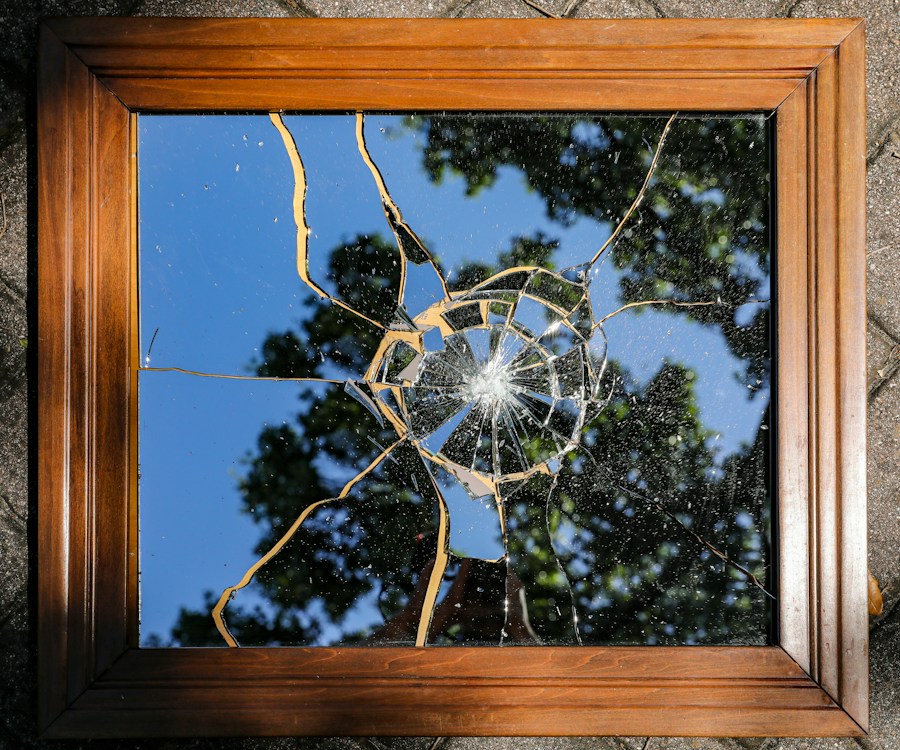
ESCAPING THE NARCISSIST
Are you trapped in a toxic relationship? It's time to reclaim your life and find healing. ESCAPING THE NARCISSIST: HOW TO HEAL AND RECOVER FROM NARCISSISTIC ABUSE IN RELATIONSHIPS is your guide to breaking free and starting your journey towards recovery.
Don't let the pain control you any longer. Take the first step today and discover the strategies to overcome emotional abuse and rebuild your life. You deserve happiness and peace.
Start Your Healing Journey TodayFAQs
What is narcissistic abuse?
Narcissistic abuse is a form of emotional and psychological abuse inflicted by someone with narcissistic traits or narcissistic personality disorder. It involves manipulation, control, gaslighting, and devaluation to undermine the victim’s sense of self-worth and autonomy.
Why does narcissistic abuse happen?
Narcissistic abuse occurs because individuals with narcissistic tendencies seek to maintain power and control over others. They often lack empathy and use abusive behaviors to protect their fragile self-esteem and fulfill their need for admiration and dominance.
What are common signs of narcissistic abuse?
Common signs include feeling confused or doubting your own reality (gaslighting), constant criticism, emotional manipulation, isolation from friends and family, and a persistent sense of walking on eggshells around the abuser.
How can someone protect themselves from narcissistic abuse?
Protection strategies include setting firm boundaries, seeking support from trusted friends or professionals, educating oneself about narcissistic behaviors, and, if necessary, distancing or cutting off contact with the abuser to preserve mental and emotional health.
Is recovery from narcissistic abuse possible?
Yes, recovery is possible with time, support, and appropriate therapeutic interventions. Healing often involves rebuilding self-esteem, learning healthy relationship patterns, and addressing any trauma caused by the abuse.